
House Washing and Soft Washing in Baltimore, MD
RBJ Exterior Solutions uses low-pressure soft washing and professional-grade cleaning solutions to remove algae, mildew, oxidation, and biological growth from siding, brick, stucco, and painted surfaces across Baltimore County without damaging what it cleans.
- Licensed & insured
- Soft wash + pressure wash
- Free estimates
What Is Soft Washing and What Does It Do for Your Home?
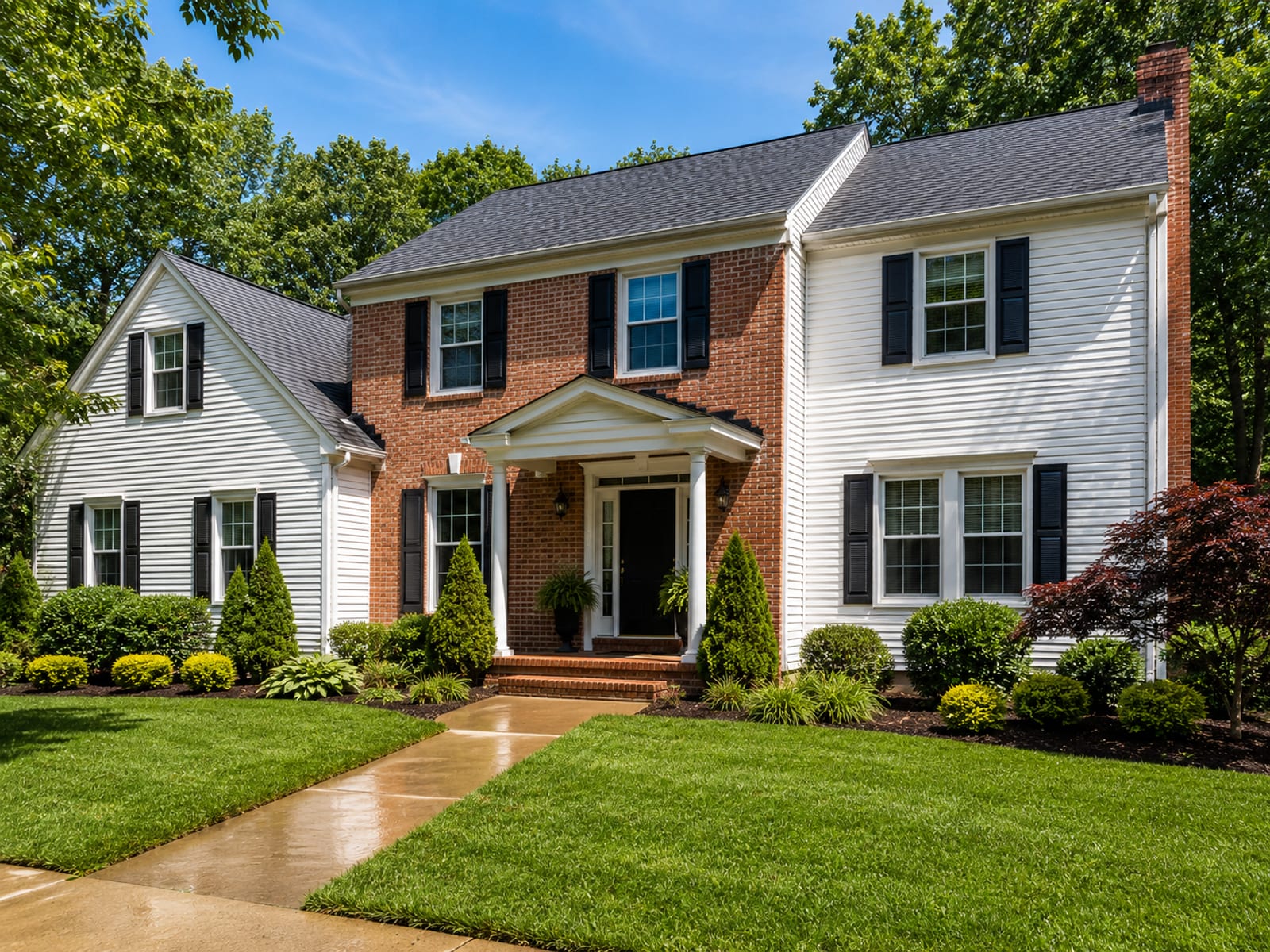
Soft washing is a low-pressure exterior cleaning method that combines water with professional-grade cleaning solutions to break down and remove organic growth from your home's outside surfaces. Unlike standard pressure washing, which relies on force alone, soft washing uses chemistry to do the heavy work. The solution kills algae, mildew, mold spores, lichen, and biological film at the source, and then a gentle rinse removes what's left behind. The result is a clean surface that stays cleaner longer because the root cause of the staining has been treated, not just blasted off temporarily.
For most homes in Baltimore County, soft washing is the right method for siding, trim, and painted or coated surfaces. High-pressure water forced against vinyl lap siding, older brick mortar, painted wood trim, stucco, or fiber cement can push moisture behind panels, crack mortar joints, strip paint, and damage window and door seals. Soft washing removes everything pressure washing would remove without putting the surface itself at risk.
When RBJ Exterior Solutions comes out for a house washing job, the technician inspects the exterior first, identifies the siding material and any areas needing extra attention, and then selects the right cleaning approach for each surface. That inspection step matters more than most homeowners realize. A home with vinyl siding on the upper story and painted wood trim around the windows may need different treatment than a full-brick colonial or a stucco-clad rancher. Applying one cleaning method uniformly across all of them is how damage happens.
Why Maryland Homes Need This Service More Than Most
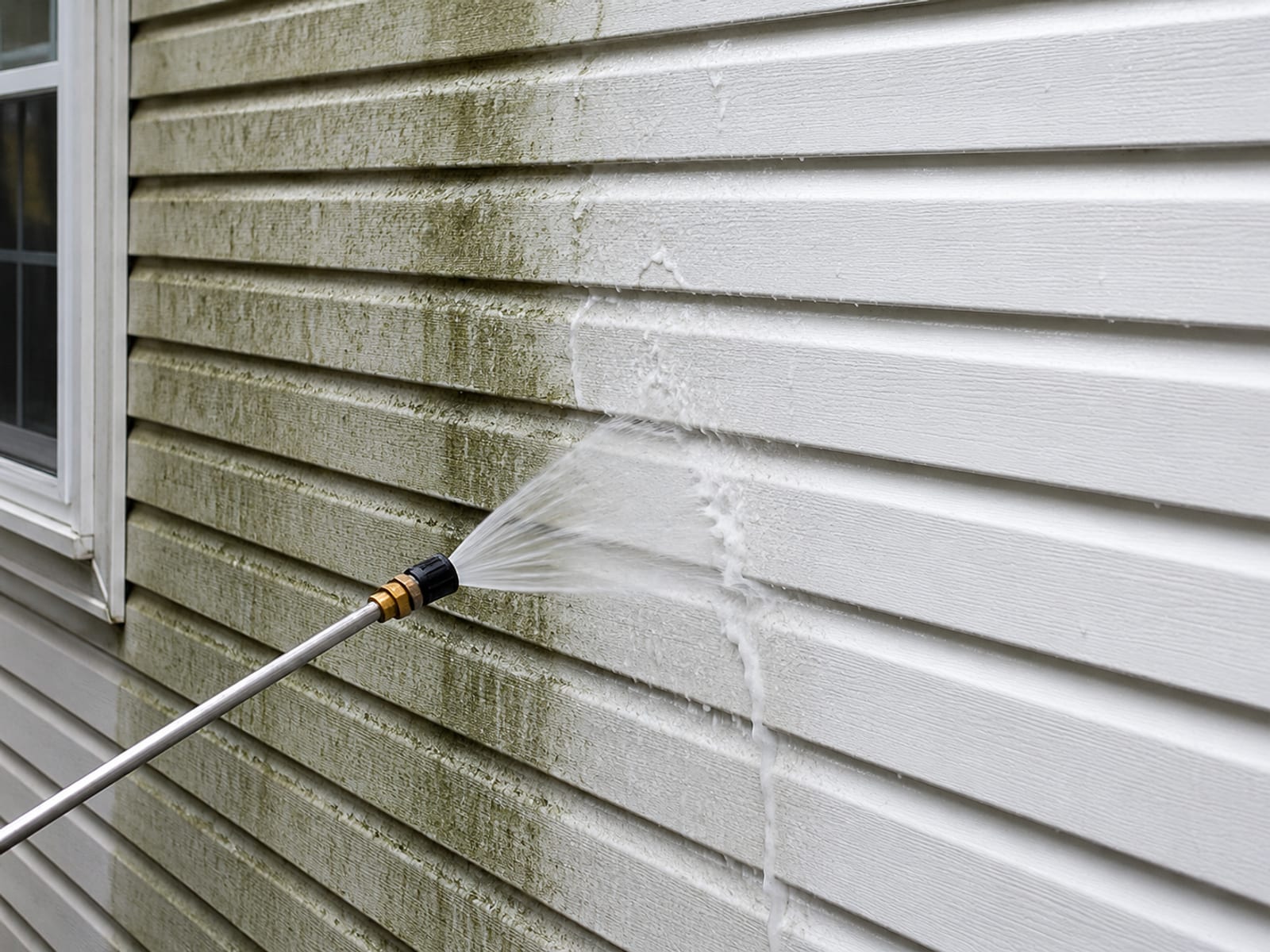
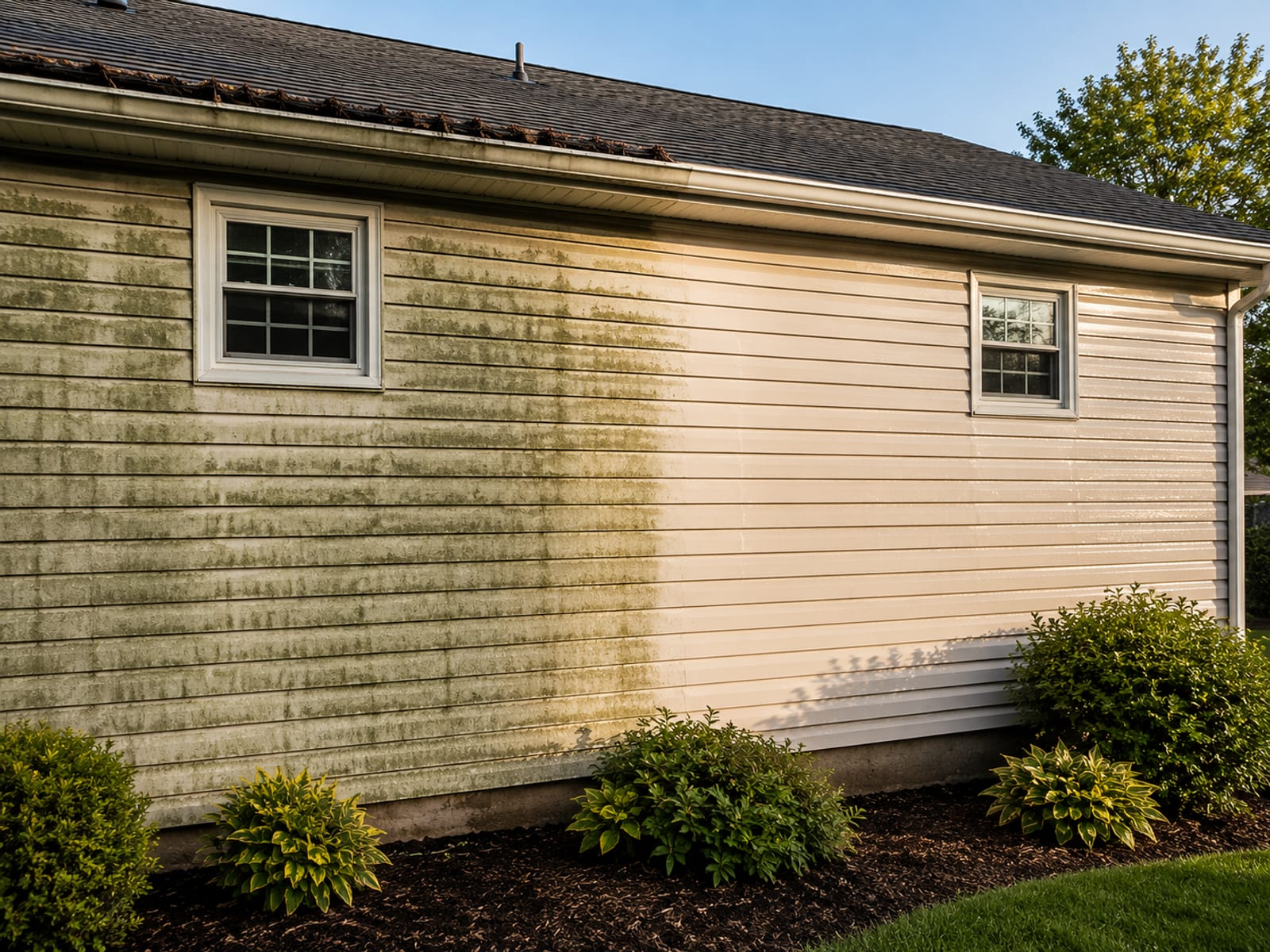
Maryland's mid-Atlantic climate is genuinely hard on exterior surfaces. The combination of summer humidity, seasonal rainfall, and heavy tree cover across Baltimore County creates ideal conditions for algae, mold, lichen, and mildew to grow on siding, roofs, and foundations. If you live on a wooded lot in Cockeysville, Perry Hall, or Reisterstown, you've probably noticed that green or black film creeping across the north-facing side of your house within a season or two of having it cleaned.
That growth is not just cosmetic. Algae and mildew hold moisture against the surface underneath them. Over time, that trapped moisture works into paint, caulk seams, and the material behind the siding itself. Painted wood trim that stays damp and dirty long enough will begin to show premature peeling and rot. Vinyl siding with heavy algae coverage can fade and chalk faster than it should. Regular soft washing removes that biological layer before it gets a chance to do ongoing damage.
Pollen is another seasonal factor that hits Baltimore County hard every spring. A thick coating of pollen changes the color of a home's exterior dramatically and can trap other particulates against the surface. Spring house washing addresses that buildup before summer humidity turns it into a faster-growing problem. For homeowners who are listing a property for sale, hosting outdoor events, or keeping up with seasonal maintenance, timing a soft wash in spring and again in late summer or early fall fits well with how Maryland's seasons actually work.
Which Surfaces Can Be Soft Washed?
Soft washing works across nearly every exterior surface type found on residential homes in Baltimore County. The cleaning solution and rinse pressure are adjusted based on what the surface can tolerate.
Vinyl Siding
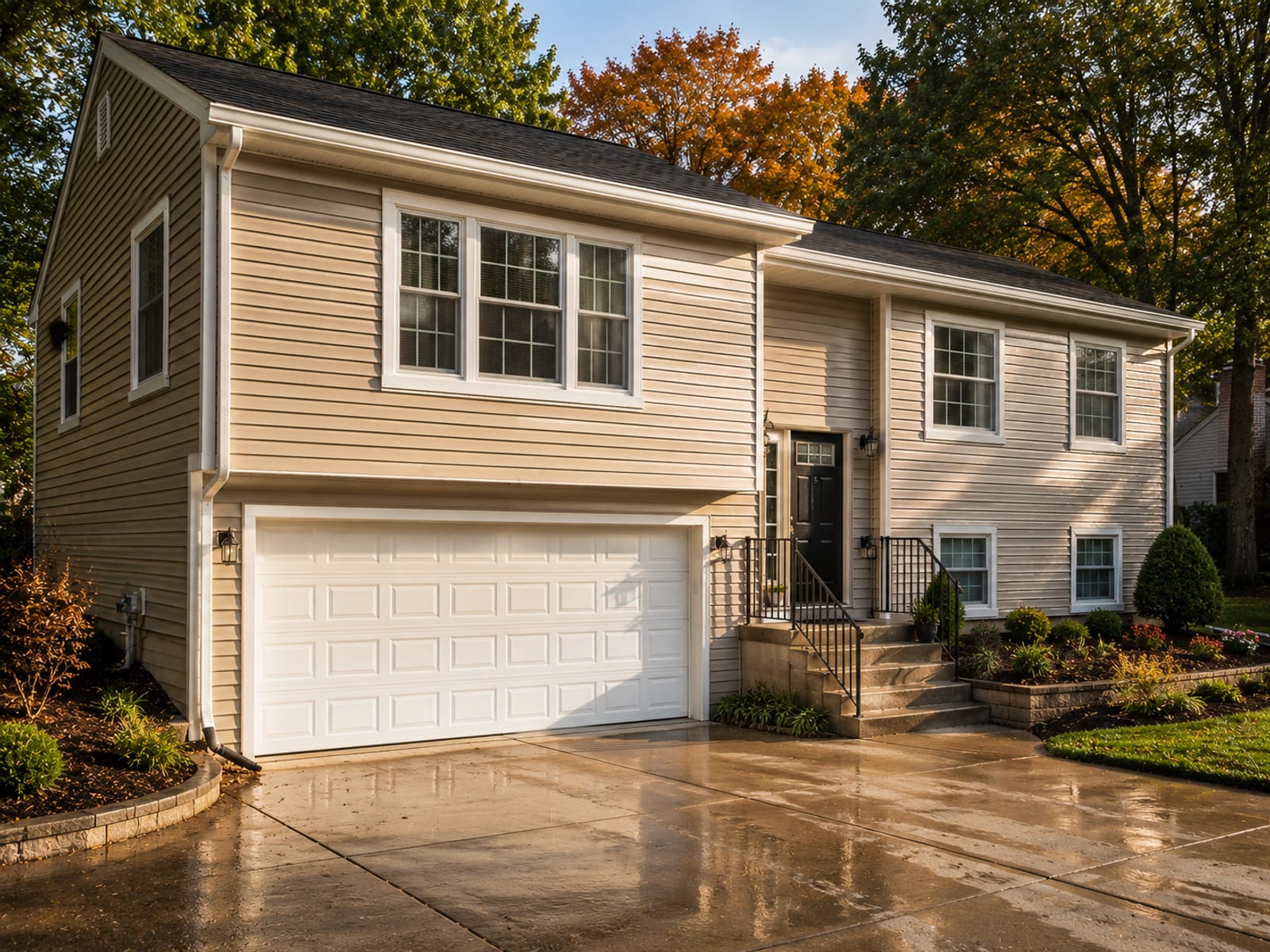
Vinyl is one of the most common siding types in Baltimore County and one of the most frequently damaged by high-pressure washing. Soft washing cleans algae, oxidation, and mildew staining from vinyl without forcing water behind the panels or cracking lap joints.
Brick and Mortar
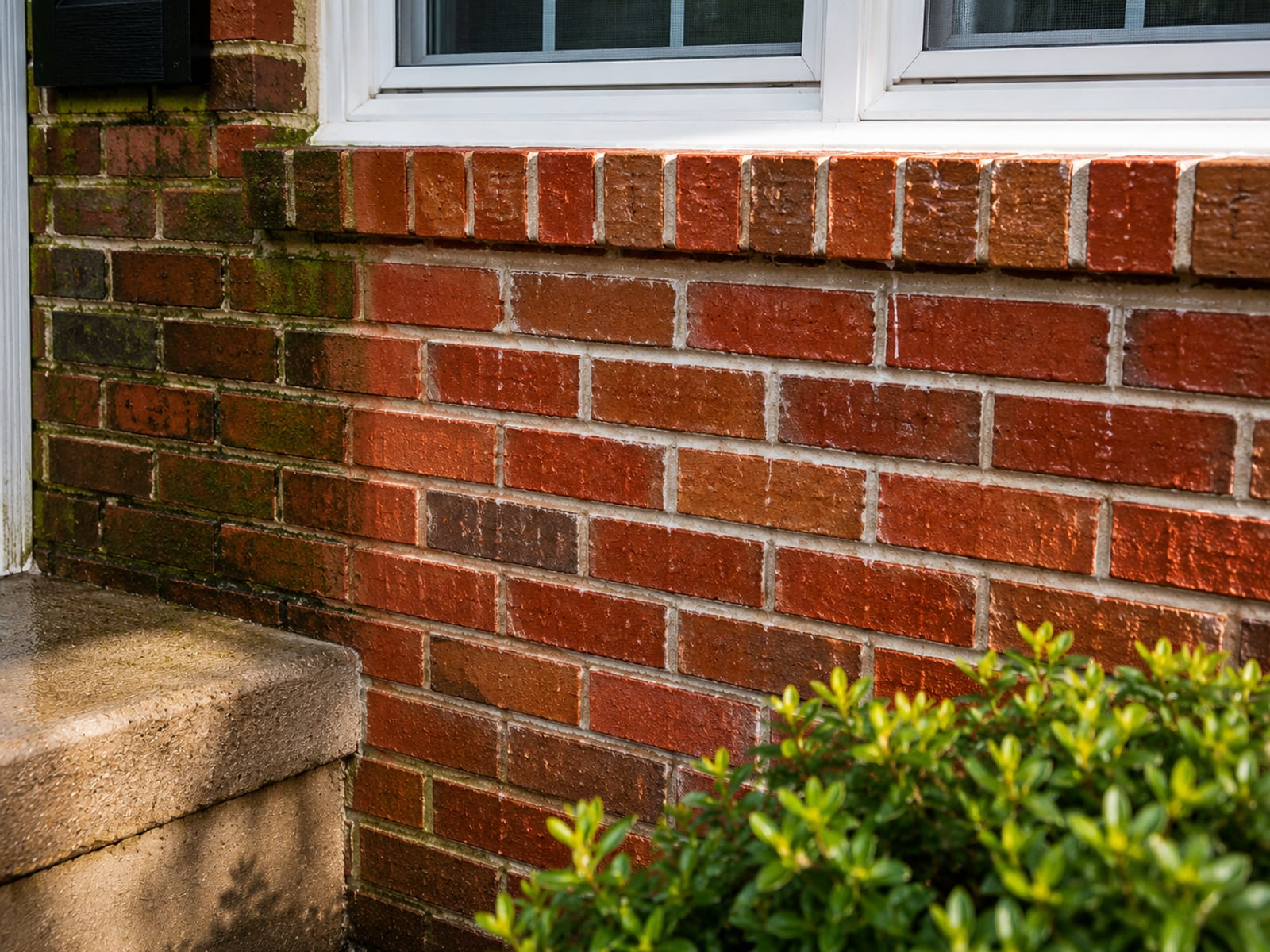
Older brick homes with aging mortar joints need a gentler approach. High pressure can erode mortar over time, while soft washing removes organic growth, dirt film, and environmental staining without putting structural joints at risk.
Stucco
Stucco is porous and holds biological growth stubbornly. Soft washing penetrates that surface texture with cleaning solution, treating algae and mildew at the root rather than just scuffing the surface layer clean temporarily.
Painted Wood and Trim
Painted surfaces, including wood siding, shutters, fascia boards, and decorative trim, are particularly vulnerable to high pressure. Soft washing removes biological film and grime without stripping or bubbling the paint underneath.
Fiber Cement Siding
Fiber cement, including brands like HardiePlank, is durable but still benefits from low-pressure cleaning. Soft washing keeps the painted finish clean and intact while removing the algae and mildew growth that the mid-Atlantic climate promotes.
Composite and Mixed Exteriors
Many homes in Baltimore County have a combination of materials, such as brick on the lower story and vinyl or painted wood above. Soft washing allows the technician to treat each material with the appropriate solution and pressure rather than applying a single setting across all of them.
How the House Washing Process Works
- 1
Exterior Inspection
Before any water or solution touches your home, the technician walks the perimeter to identify siding type, surface condition, loose caulk, damaged screens, older window seals, and exterior electrical fixtures that need to be protected. This also establishes where the most significant biological growth is concentrated and what is causing it.
- 2
Plant and Landscape Protection
Nearby shrubs, flower beds, and ground cover get pre-wetted with water before cleaning solutions are applied to the house. This step reduces the chance that cleaning agent runoff will affect plantings around the foundation. A final rinse of surrounding vegetation is standard practice after the job.
- 3
Low-Pressure Solution Application
The cleaning solution is applied to the exterior at low pressure, starting from the bottom and working up to prevent streaking. Dwell time allows the solution to break down algae, mildew, and organic staining. The solution does the actual cleaning work at this stage, not the pressure of the water.
- 4
Rinse
After appropriate dwell time, the surface is rinsed thoroughly. The rinse removes loosened biological material, cleaning solution residue, and surface dirt. Pressure is kept low enough to avoid forcing water behind siding or into seams around windows and doors.
- 5
Final Check and Runoff Review
The technician does a final walk-around to confirm the cleaning is even and complete, check that no solution has pooled in unintended areas, and verify that drainage from the job has not directed detergent residue toward storm drains or neighboring properties.
What Changes After a Professional Soft Wash
The results of a professional house washing are visible immediately. Beyond the obvious visual change, there are practical reasons why keeping your home's exterior clean matters long term.
Curb Appeal That Photographs Well
A freshly soft washed home looks dramatically different from street level and in photographs. For homeowners preparing to list a property, that improvement in curb appeal can affect how quickly a home sells and how buyers perceive it on first contact. Realtors working in Towson, Lutherville-Timonium, and Hunt Valley regularly use exterior cleaning as part of pre-listing prep for this reason.
Extended Surface Life
Algae, mildew, and lichen hold moisture against whatever surface they grow on, and that moisture accelerates deterioration in paint, caulk, wood, and some composite materials. Removing biological growth before it gets established protects the material underneath and extends the time between major exterior maintenance projects like repainting or re-caulking.
A Cleaner Starting Point for Other Exterior Work
If you're planning to have your deck stained, windows cleaned, or gutters serviced, having the house washed first sets up everything else to be done right. Stains and sealers bond better to a clean surface. Window cleaning is more effective when surrounding siding is not sending dirty runoff across the glass during rain.
Less Work Between Service Intervals
Soft washing kills biological growth at the root rather than just rinsing it off temporarily. A surface that has been properly treated stays cleaner longer than one that was only pressure washed or hosed down. In Maryland's climate, that difference adds up meaningfully across a full season.
How Does Soft Washing Differ From Pressure Washing for House Cleaning?
Soft washing and pressure washing accomplish similar goals through different means. Pressure washing relies primarily on water pressure to break apart and remove dirt, grime, and surface buildup. It is effective on hard, durable surfaces like concrete driveways, brick pavers, and stone retaining walls, where high pressure poses little risk of damage.
Soft washing relies on cleaning chemistry applied at low pressure. The solution does the work of killing and breaking down algae, mildew, mold spores, and biological growth; the water is used mainly to apply the solution and rinse the surface afterward. For siding, painted surfaces, roofing, stucco, and other materials that can be damaged by concentrated water force, soft washing is the safer and often more effective choice.
Soft washing also tends to produce longer-lasting results on organic staining. Pressure washing can remove the visible layer of algae while leaving behind spores and root structures embedded in the surface. Those spores can begin growing again within weeks if conditions favor it. Soft washing with a proper cleaning solution kills what's present and slows regrowth, which means more time between cleaning intervals on surfaces where biological growth is the primary problem.
Why Work With RBJ Exterior Solutions for House Washing?
RBJ Exterior Solutions serves a defined set of communities across Baltimore County, including Baltimore, Towson, Dundalk, Catonsville, Pikesville, Owings Mills, Essex, Cockeysville, Parkville, Randallstown, Reisterstown, Perry Hall, Lutherville-Timonium, Hunt Valley, Middle River, White Marsh, Nottingham, Woodlawn, Rosedale, and Carney. That geographic focus is intentional. Staying within a specific service area means faster scheduling, shorter travel time between jobs, and a technician who already understands how local tree canopy, humidity patterns, and shade exposure affect how quickly algae and mildew grow on homes in these specific neighborhoods.
Offering both soft washing and traditional pressure washing under one service is a practical advantage for homeowners. Not every surface on a residential property calls for the same cleaning method. A home may need soft washing on the vinyl siding, standard pressure on the concrete driveway, and roof soft washing on the shingles. When a company offers only one method, they either apply it to everything regardless of fit, or they send you looking for a second provider. RBJ Exterior Solutions handles all of that in coordinated service calls without the homeowner managing multiple vendors.
RBJ Exterior Solutions is licensed and insured, which matters when someone is working on the exterior of your home with water, chemical cleaning solutions, and equipment. Working with a company that carries proper coverage protects both parties if something unexpected occurs. You can reach the team Monday through Saturday between 8:30 AM and 4:30 PM at 203-751-0574, or send a message any time to info@rbjexteriorsolutions.com.
Frequently Asked Questions About House Washing and Soft Washing
Will soft washing damage my plants or landscaping?
How long does a house washing job typically take?
How often should I have my home soft washed in Maryland?
Can soft washing be done in cooler weather, or is it a spring and summer service?
Does soft washing require me to be home during the service?
What should I do to prepare my home before a soft wash appointment?
Is the cleaning solution safe after it dries?
Schedule Your House Washing in Baltimore County
Get a quote for house washing or soft washing service in Baltimore County.