
Fence Washing in Baltimore, MD That Actually Makes a Difference
RBJ Exterior Solutions removes algae, mildew, and years of weathering from wood, vinyl, aluminum, and chain-link fences across Baltimore County. The cleaning method is matched to your fence material so the fence gets clean without getting damaged.
- Licensed & insured
- Soft wash + pressure wash
- Free estimates
What Does Fence Washing Actually Include?
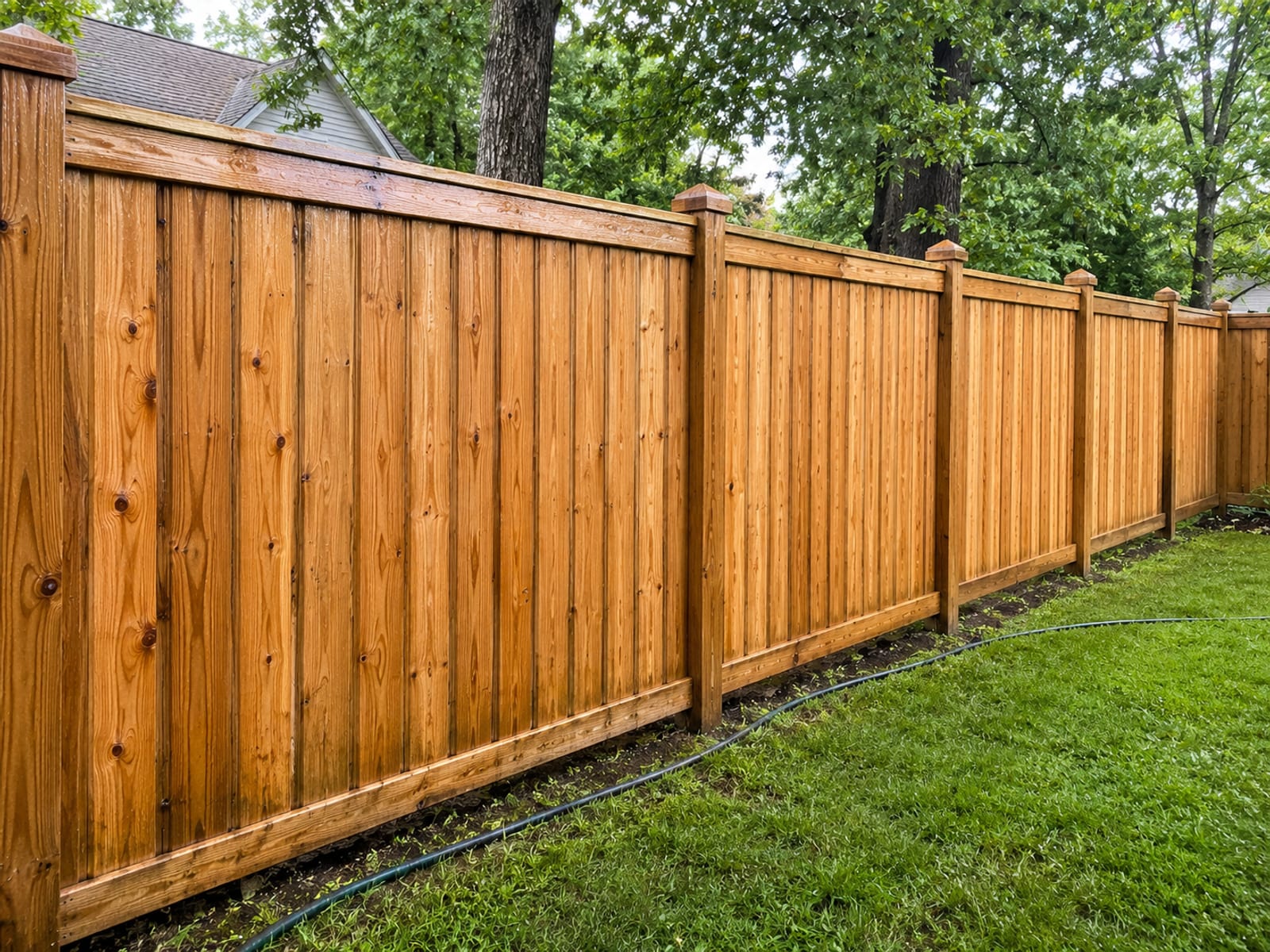
Fence washing is a professional exterior cleaning service that removes algae, mildew, dirt, pollen, and weathering buildup from the surface of your fence. At RBJ Exterior Solutions, that means inspecting your fence material first, then choosing the right pressure level and cleaning solution for what you actually have, whether that's vinyl, wood, aluminum, chain-link, or composite. A typical fence cleaning covers the full surface of every fence panel, post, and rail, along with gates and any trim or caps attached to the structure. When the job is done, you're left with a fence that looks close to how it did when it was new, not just one that got a rinse.
What you won't get is a one-pressure-fits-all approach. High pressure on older wood raises the grain, scars boards, and forces water into joints already weakened by seasons of Maryland weather. Vinyl can handle more pressure than wood, but direct high-pressure spray into seams or decorative caps can crack the material or force water behind it. RBJ Exterior Solutions uses soft washing when the fence material calls for it, meaning a lower-pressure rinse paired with a cleaning solution that does the actual work. The solution sits on the surface, breaks down the organic growth, and gets rinsed away cleanly without blasting the material underneath.
Why Does Your Fence Look Like That? Understanding What's Growing on It
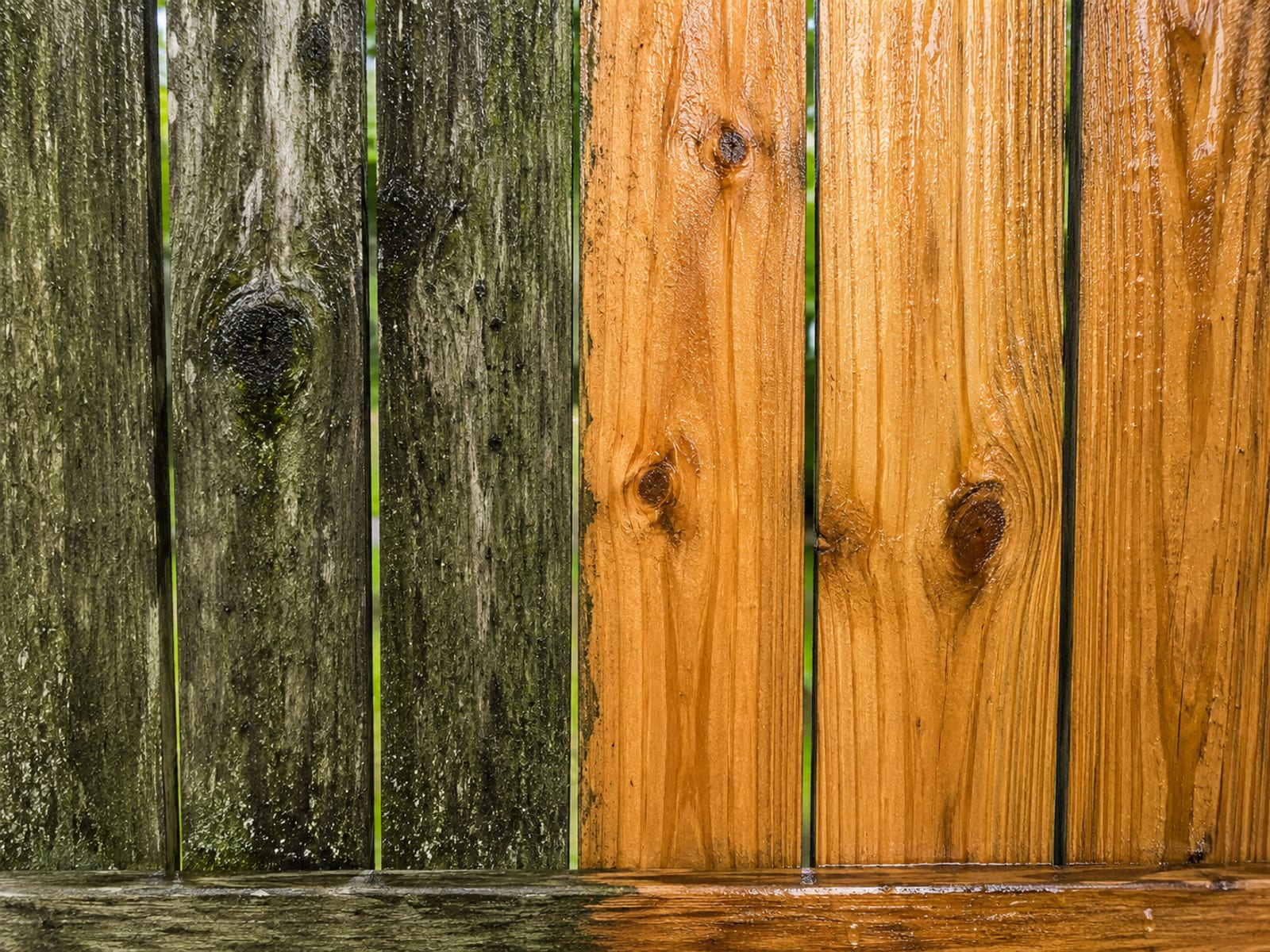
Baltimore County's climate works against your fence every single season. The warm, humid summers create near-ideal conditions for algae, mildew, and moss to grow on any surface that stays damp for any length of time. Add tree cover, and shaded sections of your fence barely dry out between spring rains. Pollen settles into textured vinyl and wood grain, giving organic growth something to feed on. By late summer, it's very common to see a fence that was clean in March now showing green streaks down the rails and dark patches near the posts where moisture collects.
Wood fences have a separate aging process on top of the biological growth. Untreated or exposed wood loses its natural oils over time and turns gray. That weathered gray look isn't just cosmetic. It means the wood fibers have dried out and become more porous, which makes the fence more likely to absorb moisture, warp, crack, and eventually rot. Cleaning the wood surface removes the biological growth sitting on top of it and prepares the surface for staining or sealing if you want to add that layer of protection afterward.
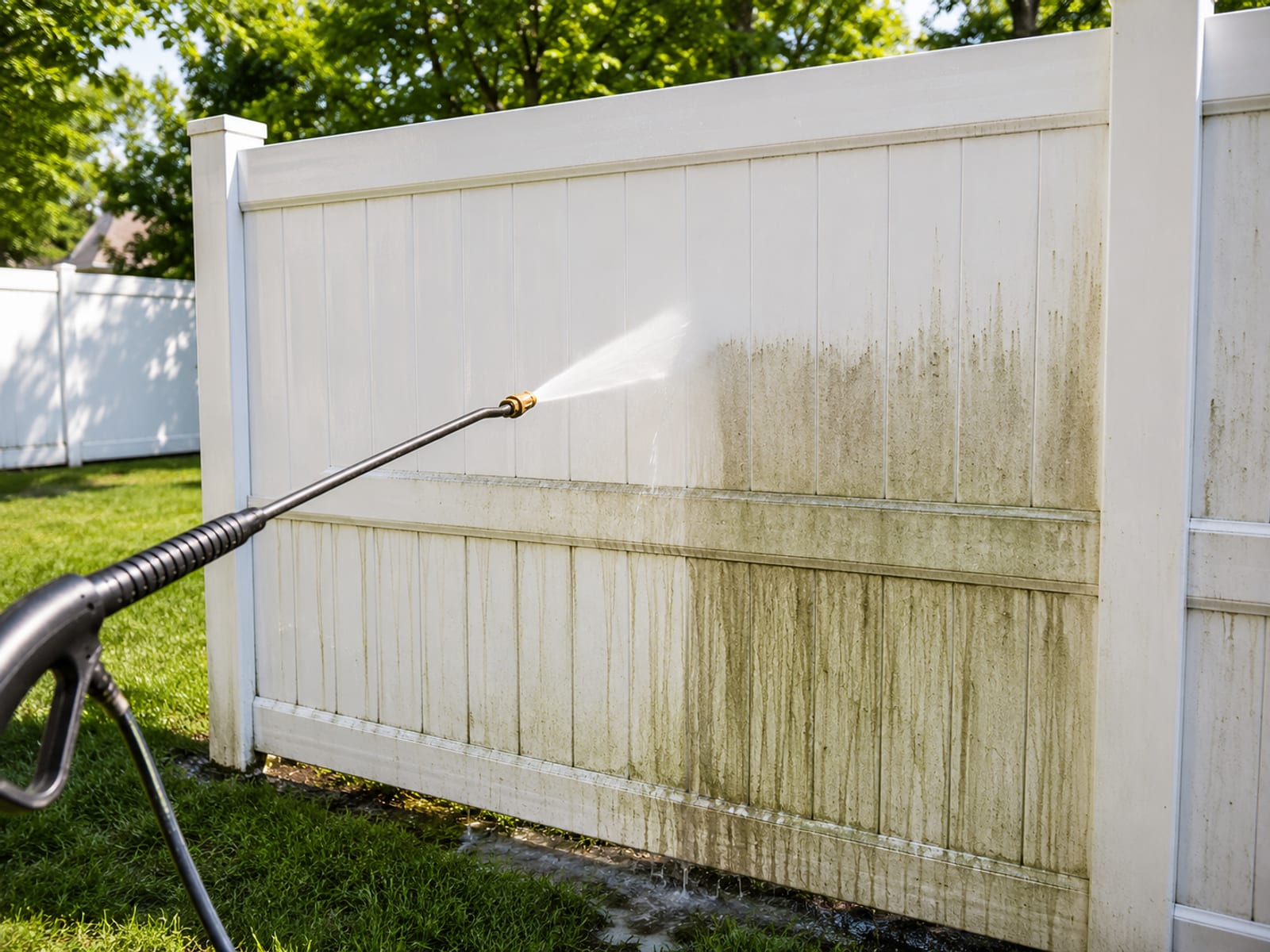
Vinyl fences don't weather the same way, but they have their own problems: oxidation and green algae. Oxidation is a surface reaction between the vinyl and UV exposure, and it creates a chalky white or gray film that makes the fence look old even when it's structurally fine. Green algae is usually what people call the green tint that appears on white vinyl, particularly on north-facing sections or anywhere shade slows drying. Neither of these issues goes away with a garden hose, but both respond well to a proper soft wash cleaning.
What Are the Real Benefits of Getting Your Fence Washed?
Fence washing does more than clean a surface. These are the practical reasons homeowners, property managers, and realtors across Baltimore County schedule this service.
Curb Appeal Comes Back Fast
A clean fence is one of the first things people notice from the street. Whether you're prepping for a home sale, getting ready for summer gatherings, or just tired of looking at a green-streaked wood fence, cleaning restores the appearance quickly and without the cost of replacement.
Wood Lasts Longer When It's Clean
Algae, mildew, and moisture accelerate wood deterioration. Keeping the surface clean reduces the rate at which organic growth spreads into joints, cracks, and end grain, extending the time before boards start to rot or pull away from the frame.
Vinyl Looks New Again Without Painting
Algae removal and oxidation treatment on vinyl fencing can make a years-old fence look freshly installed. Because vinyl can't be painted the way wood can, cleaning is often the only realistic option for restoring the appearance short of full replacement.
Better Prep for Staining or Sealing
If you're planning to stain, seal, or paint a wood fence, cleaning first is not optional. Stain applied over algae or mildew will not bond correctly and will peel or fail early. A clean surface gives any coating the best possible start.
Fits Into Your Seasonal Maintenance Calendar
Spring is the most popular time for fence washing in Maryland, but fall cleanup is also a good fit, especially after a summer of heavy pollen and humidity. RBJ Exterior Solutions can schedule fence washing alongside other exterior services so your whole property gets addressed in a single visit.
Property Managers Can Cross It Off the List
For rental properties and homes going back on the market, a clean fence is part of the first-impression package. Because RBJ Exterior Solutions handles the full exterior, including house washing, gutter cleaning, driveway cleaning, and window cleaning, property managers can coordinate everything with a single call.
How Does Fence Washing Work? The Process from Start to Finish
- 1
Inspection Before Anything Gets Wet
The first thing a technician does is walk the fence and take stock of what's there. That includes the fence material, the age and condition, any loose boards, cracked vinyl panels, peeling paint, damaged posts, and how the fence sits relative to your home, landscaping, neighboring property, and drainage. Gates and latches get checked too. If there are issues that cleaning won't fix, such as rotted boards or broken sections, you'll hear about them before the job starts, not after.
- 2
Protect Plants, Fixtures, and Surrounding Areas
Any plants growing along the fence line get pre-wetted before cleaning solution is applied. This is standard practice because some detergents can affect plant foliage if they sit on leaves without being rinsed. Electrical fixtures, outlets, or lighting along the fence get protected before water comes anywhere near them. Any light items sitting close to the fence, like potted plants or garden decor, get moved back.
- 3
Apply the Right Method for the Material
Wood fences typically get a low-pressure application with a wider spray pattern, keeping the wand at a consistent distance to avoid scarring individual boards. Vinyl, aluminum, and chain-link fences can usually handle a more direct rinse, but soft washing with cleaning solution is often the better choice when algae or oxidation is heavy. The cleaning solution is applied with enough dwell time to break down organic growth before rinsing begins. On painted or stained wood, a test spot confirms the cleaning method won't pull up the existing finish unevenly.
- 4
Rinse and Check the Work
After the cleaning solution has done its job, the fence gets a thorough rinse. The technician checks posts, rails, and panel bottoms where algae tends to collect in corners and low spots. Runoff is managed during the job with attention to storm drains and neighboring surfaces. When the rinse is complete, the fence gets a final inspection to confirm nothing was missed.
- 5
Walk-Through and Explanation of Remaining Conditions
Not everything that looks wrong on a fence is dirt. UV fading, oxidation, tannin stains in wood, rust marks from metal hardware, and irrigation staining from sprinkler heads are all conditions that cleaning addresses partially or not at all. After the job, a technician can walk you through what was removed and what's left, which helps you decide whether a follow-up treatment, staining, or board replacement makes sense.
Does Fence Washing Work on Every Fence Material?
The short answer is yes, but the method changes depending on what the fence is made of. Wood, vinyl, aluminum, chain-link, and composite fencing are all cleanable. The difference is in what pressure, what cleaning solution, and what technique makes sense for each one.
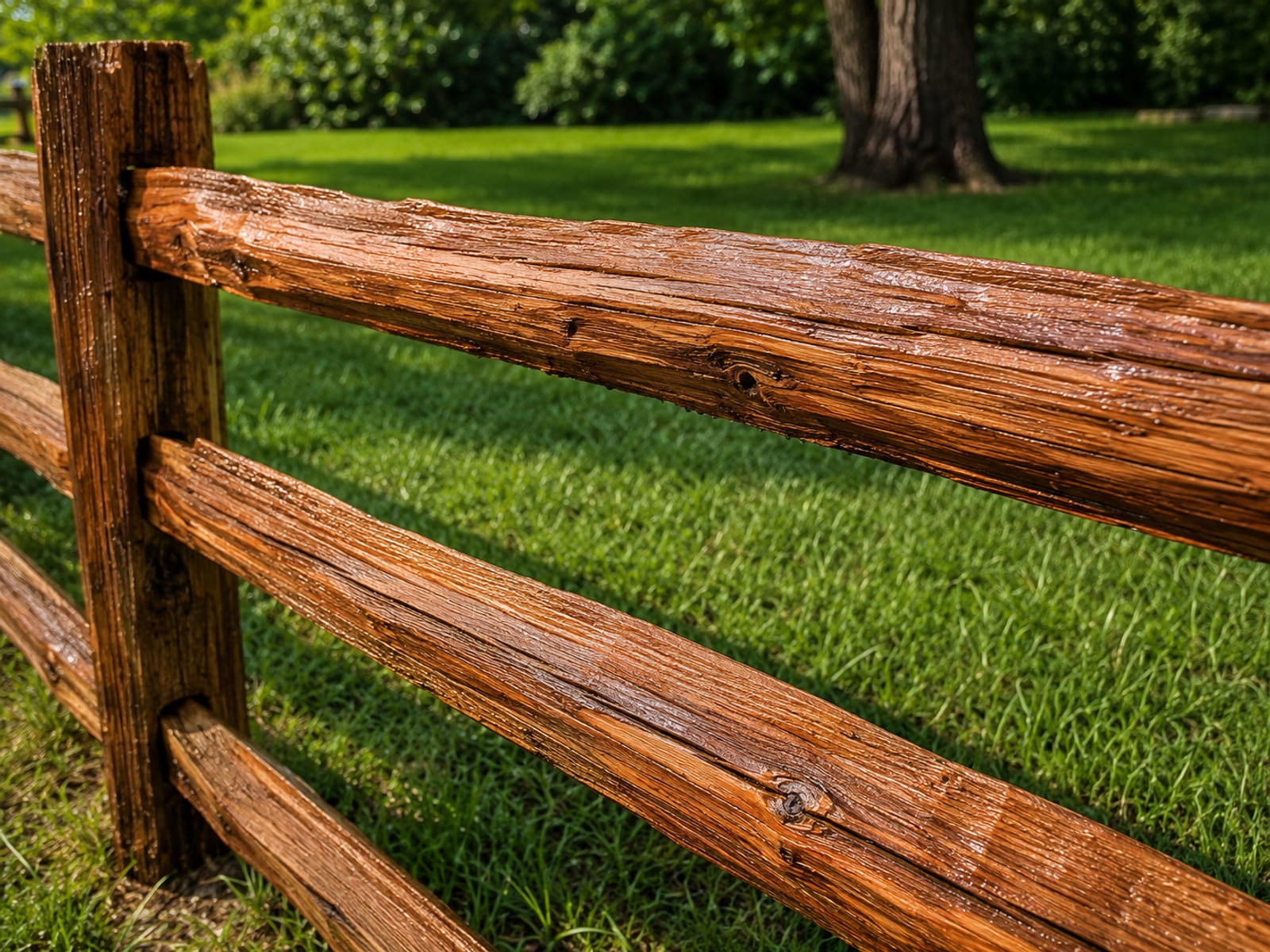
Wood fences are the most sensitive. Pressure that's too high on soft pine or weathered cedar will physically damage the wood fibers, creating a fuzzy or scored surface that absorbs stain unevenly and traps more dirt going forward. The cleaning method for wood prioritizes lower pressure with a gentle but effective cleaning solution, followed by a controlled rinse that clears the residue without raising the grain. Older wood with multiple seasons of weathering may need a dedicated wood brightener applied after cleaning to bring the color back before any coating is applied.
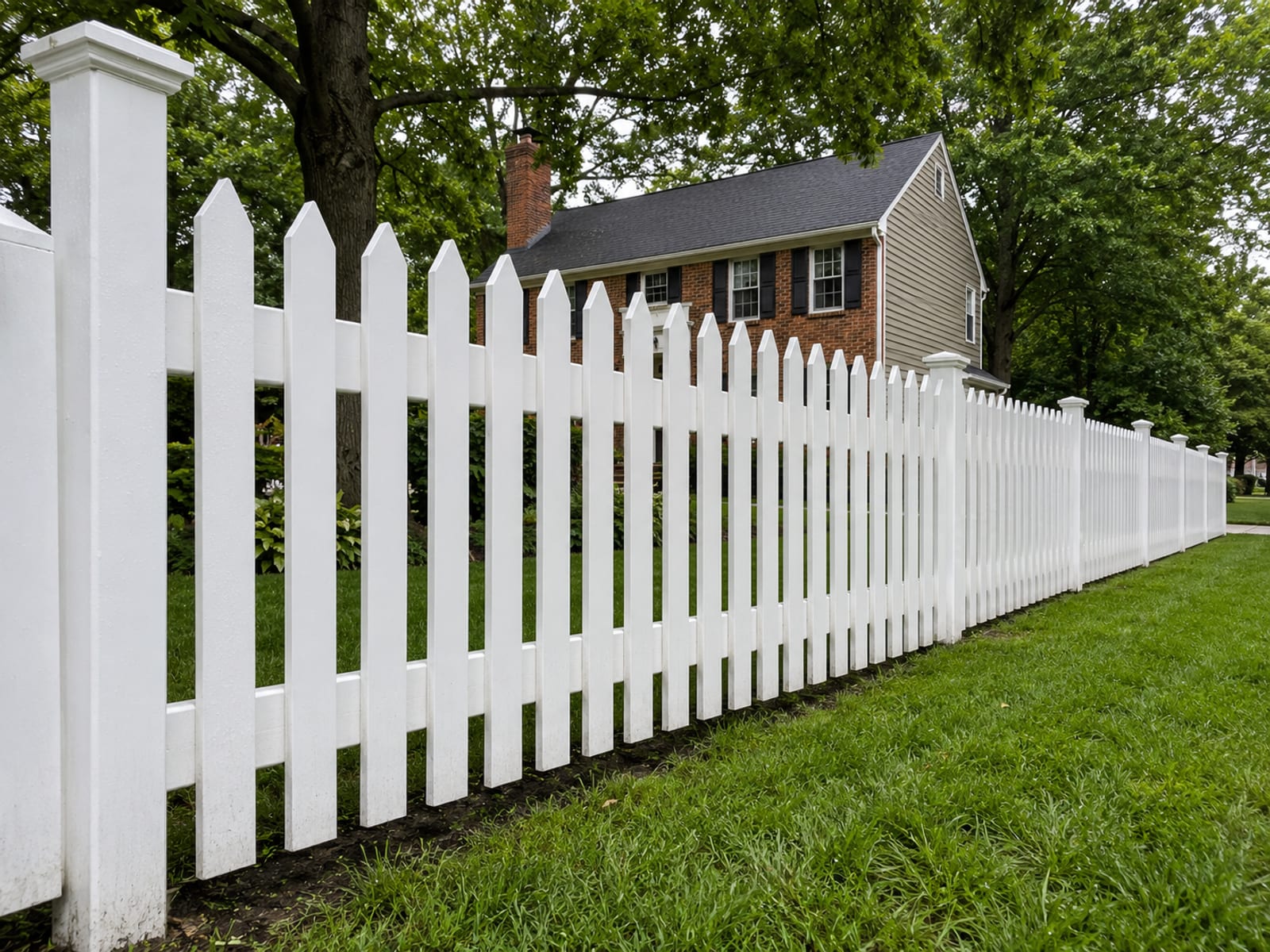
Vinyl is more forgiving than wood on pressure tolerance, but it has its own concerns. The main ones are seams, end caps, and any sections that have become brittle from long-term UV exposure. Direct high-pressure spray into a seam or decorative cap can crack or separate vinyl that's been in Maryland sun for ten or more years. Soft washing handles vinyl well because the chemistry does the work rather than the pressure. White vinyl with green algae or a gray oxidation film typically responds very well to soft washing, often coming back to near-original brightness.
Aluminum and chain-link fences hold up well to pressure washing because there's less surface area to damage, but they still benefit from a proper cleaning solution rather than a pressure-only rinse. Rust spots on chain-link from hardware contact or galvanizing wear are one condition that cleaning helps with but doesn't fully eliminate. Painted aluminum fences should be treated more like painted wood, with attention to flaking areas that could be worsened by direct pressure.
Composite fencing, made from a combination of wood fiber and plastic, sits somewhere between vinyl and wood in terms of how it should be handled. It's generally more durable than natural wood, but the same caution around pressure and joints applies. A soft washing approach works well here, and the results are usually good because composite materials tend to release algae and surface grime more readily than older weathered wood.
Why Choose RBJ Exterior Solutions for Fence Washing in Baltimore County?
RBJ Exterior Solutions is a licensed and insured exterior cleaning company serving residential properties across Baltimore County, covering twenty communities including Baltimore, Towson, Dundalk, Catonsville, Pikesville, Owings Mills, Essex, Cockeysville, Parkville, Randallstown, Reisterstown, Perry Hall, Lutherville-Timonium, Hunt Valley, Middle River, White Marsh, Nottingham, Woodlawn, Rosedale, and Carney. Operating within a defined local footprint means faster scheduling and a technician who already understands the climate conditions, tree cover, and moisture patterns that drive algae and mildew growth in this region.
The main practical advantage for fence washing is the ability to use soft washing or pressure washing based on what the material actually requires. Many exterior cleaning companies work with a single setup and adjust it slightly per job. RBJ Exterior Solutions treats method selection as part of the service itself, which matters most on wood fences and older vinyl where the wrong approach does visible damage. The inspection step before any water is applied is not a formality. It's how you avoid cleaning bills that create repair bills.
For homeowners coordinating a larger exterior refresh, RBJ Exterior Solutions handles house washing, soft washing, window cleaning, gutter cleaning, driveway and concrete cleaning, deck and patio cleaning, and roof soft washing alongside fence washing. That makes it possible to get your entire exterior addressed in fewer visits, which matters if you're working toward a listing date, a tenant move-in, or a specific event. You're not managing three separate contractors on three separate schedules.
RBJ Exterior Solutions operates Monday through Saturday from 8:30 AM to 4:30 PM. Call 203-751-0574 or send a message to info@rbjexteriorsolutions.com to get a quote for fence washing anywhere in the service area.